Surface Finishes

Materials & Components

Surface Finishes

For visible color, texture, durability, and cleaning needs.

8 Options
Melamine Finish / Melamine Faced Board

Melamine Finish / Melamine Faced Board

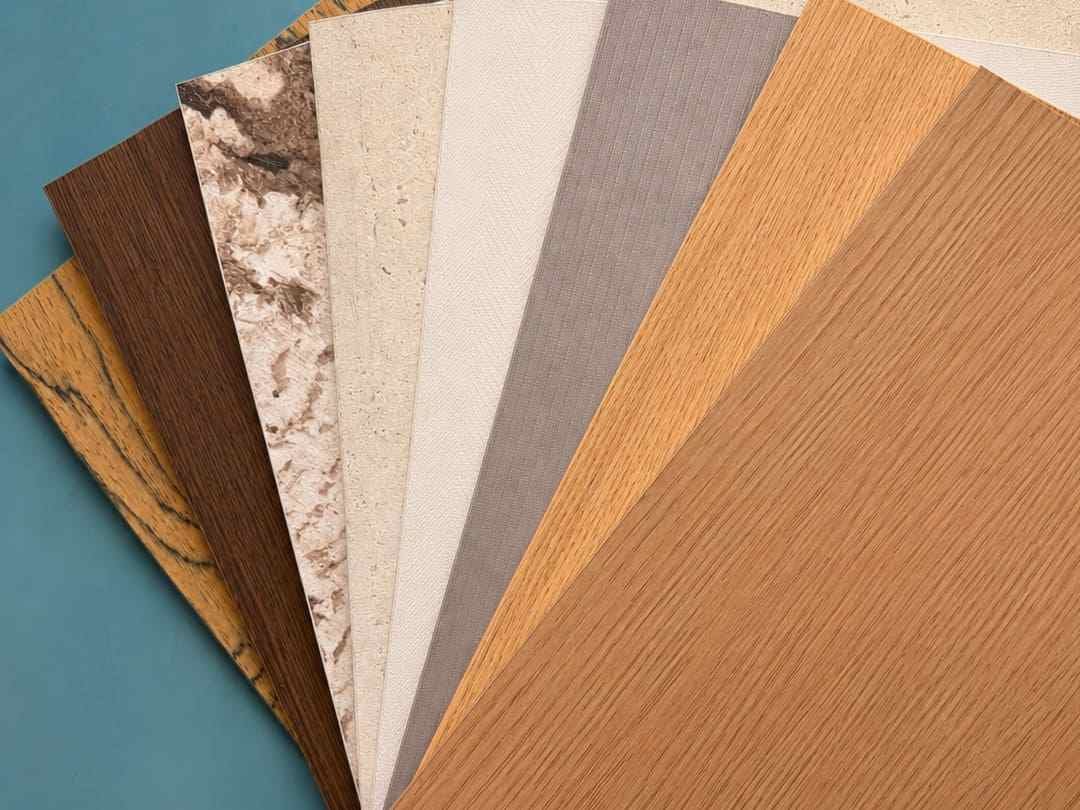
Melamine finish, also commonly used in melamine faced boards, is a pre-finished decorative surface widely used in custom cabinetry and panel furniture. It is usually made by pressing impregnated decorative paper onto particle board, MDF or plywood under heat and pressure. The surface can present wood grain, solid color, stone pattern, fabric texture and other decorative effects. Compared with paint finish or wood veneer finish, melamine finish is easier to manage in terms of cost control, color consistency, batch production efficiency and daily cleaning. It is suitable for standardized cabinetry, project-based custom cabinets and residential, commercial or hotel projects that require efficient delivery. Its actual performance depends on substrate quality, decorative paper grade, lamination process, edge sealing, cut-out sealing and the final application environment. When used for kitchens, bathroom vanities or sink cabinets, edge areas, drilling holes and cut-outs should be carefully sealed to reduce the risk of moisture-related problems.

View Details →
PET Finish / PET Film Finish

PET Finish / PET Film Finish

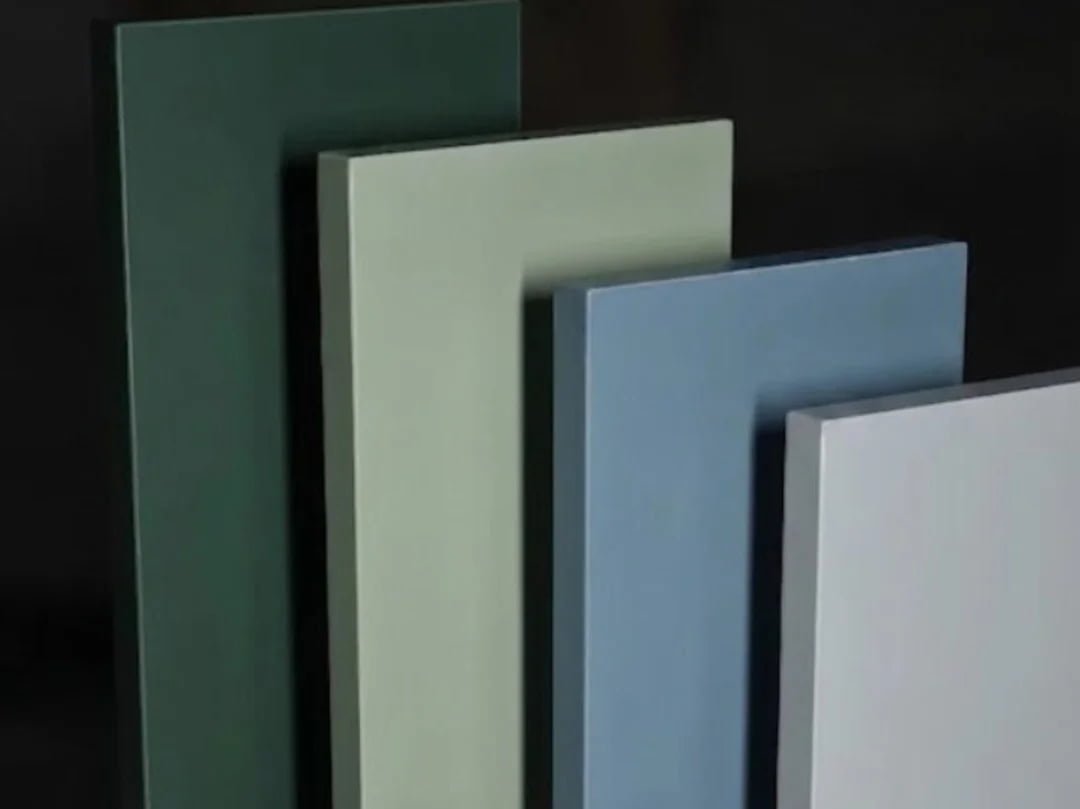
PET finish is a film-based decorative surface commonly used in custom cabinetry and panel furniture. It is usually made by laminating PET film onto substrates such as particle board, MDF or plywood. It can provide matte, high-gloss, soft-touch, solid-color or light-texture effects, with a clean and modern visual appearance. It is suitable for modern, minimalist and unified cabinet surface designs. Compared with standard melamine finish, PET finish usually offers better surface texture, color expression and visual flatness. Compared with paint finish, it is generally easier to manage in terms of batch stability, daily cleaning, delivery efficiency and cost control, making it suitable for cabinet door projects that require consistent surface quality and batch production. Its actual performance depends on PET film grade, substrate flatness, lamination process, surface gloss level, edge sealing method, adhesive quality, edge treatment and the final application environment. For batch projects, color batch, edge banding match and surface protection requirements should be confirmed in advance.

View Details →
PVC Vacuum-Formed Finish / PVC Membrane Finish

PVC Vacuum-Formed Finish / PVC Membrane Finish

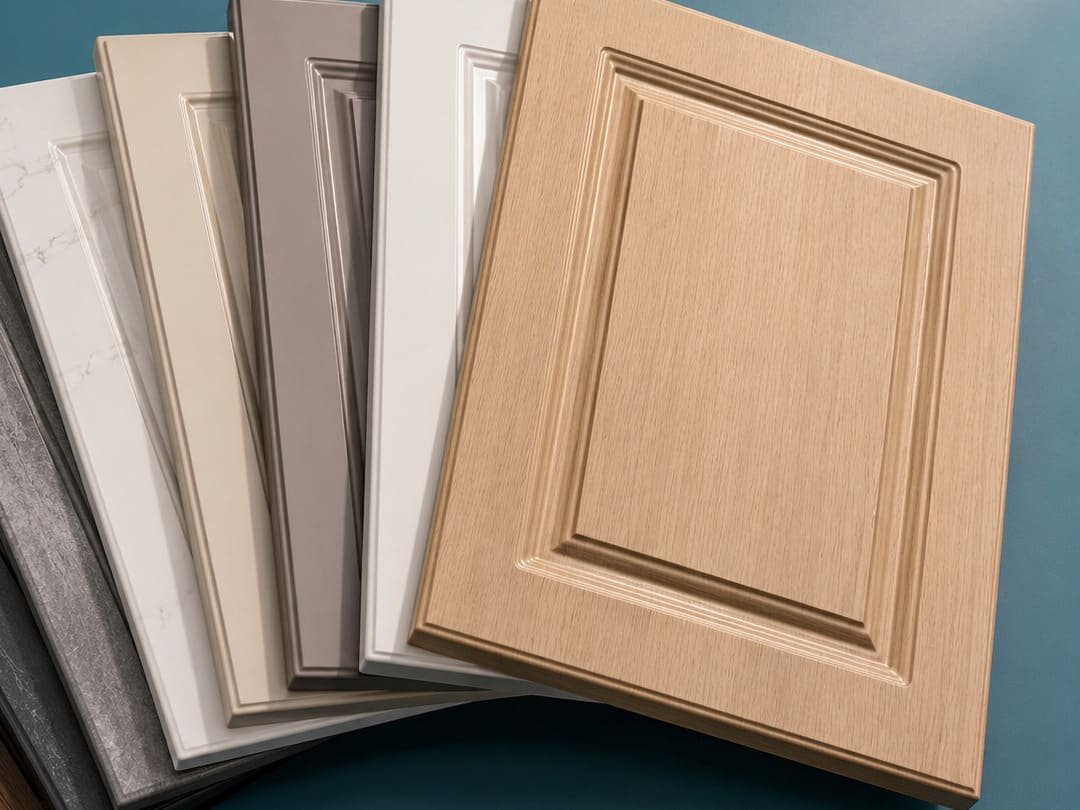
PVC vacuum-formed finish, also known as PVC membrane finish, is a common surface material used for custom cabinetry and shaped cabinet doors. It is usually made by covering MDF or similar substrates with PVC film through a vacuum forming process. It can create solid-color, wood grain, soft-touch, matte and high-gloss effects, and can wrap door surfaces with frames, routed lines or raised profiles. Compared with standard melamine finish, PVC vacuum-formed finish has better adaptability for shaped door panels. Compared with paint finish, it is generally easier to manage in terms of cost control, batch production and surface consistency, making it suitable for cabinet door projects that require shaped profiles, consistent color and controlled cost. Its actual performance depends on PVC film quality, substrate flatness, vacuum forming process, adhesive performance, profile depth, corner wrapping quality, back-side treatment and the final application environment. When used for kitchens, bathroom vanities or hotel projects, heat source distance, humid conditions and corner peeling risk should be carefully considered.

View Details →
Wood Veneer Finish

Wood Veneer Finish

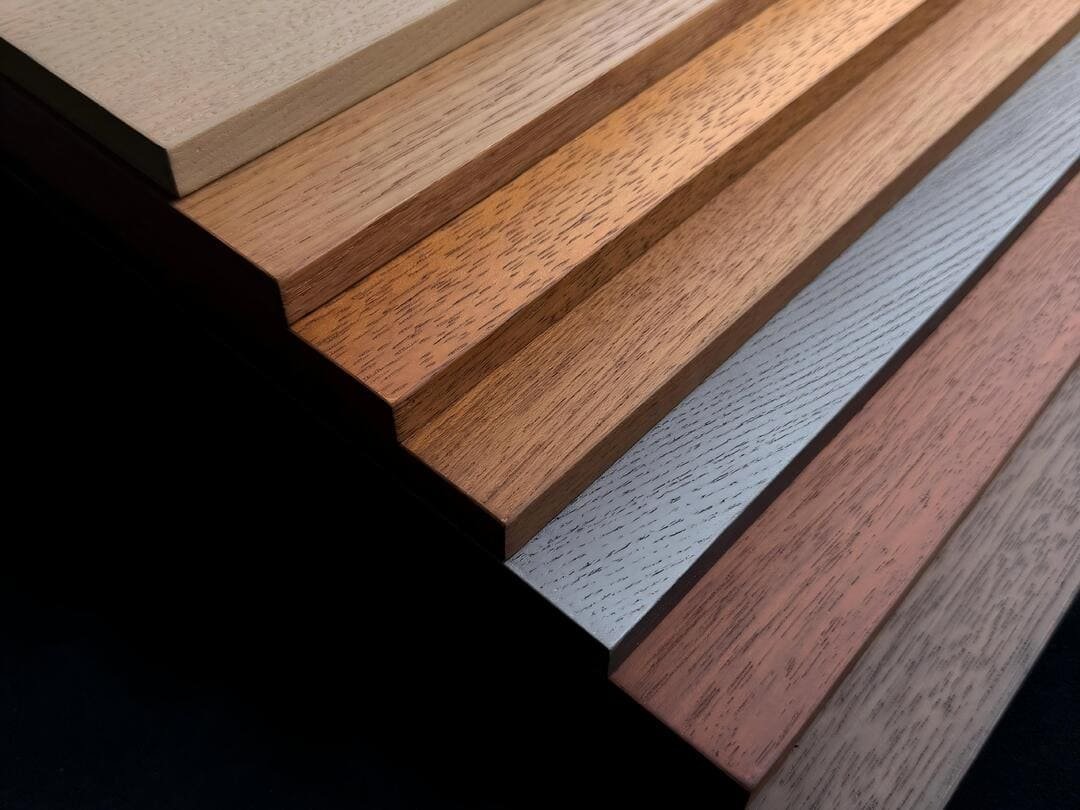
Wood veneer finish is a mid-to-high-end surface material commonly used in custom cabinetry and interior woodwork. It is usually made by applying natural wood veneer or engineered wood veneer onto substrates such as plywood, MDF or particle board. It can present real wood grain, natural color and a strong wood texture, and can also create different decorative effects through staining, smoking, distressing, veneer matching or grain matching. Compared with artificial finishes such as melamine and PET, wood veneer finish offers better natural grain, material texture and decorative expression. Compared with solid wood, it is easier to manage in terms of cost control, structural stability and large-area applications, making it suitable for custom woodwork projects that require a high-end wood appearance. Its actual performance depends on veneer species, veneer thickness, substrate flatness, veneer lamination process, grain matching method, finishing process, color treatment, adhesive performance, edge sealing and the final application environment. For batch projects, samples, color range, grain matching method and batch consistency should be confirmed in advance.

View Details →
Paint Finish / Lacquer Finish

Paint Finish / Lacquer Finish

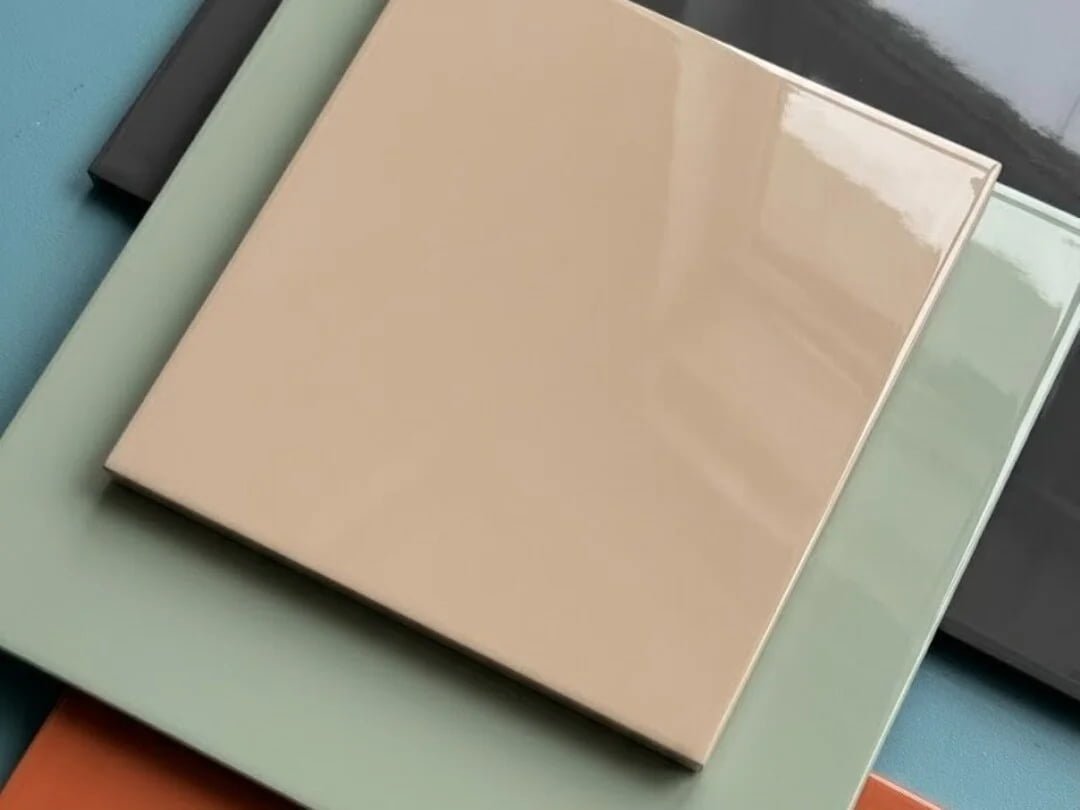
Paint finish, also commonly referred to as lacquer finish or baked paint finish in some markets, is a surface coating process used for custom cabinetry and shaped cabinet doors. It is usually applied over substrates such as MDF or plywood through sanding, primer coating, top coating and curing. It is not a pre-finished laminate material like melamine or PET, and is suitable for projects that require custom colors, a unified painted surface and good visual flatness. Compared with pre-finished surfaces such as melamine and PET, paint finish offers more flexibility in color customization, surface texture and shaped door applications. Compared with wood veneer finish, it is more suitable for solid colors, modern styles, light luxury styles and simple design effects. It is also commonly used for French style, American style and moulded cabinet door projects. Its actual performance depends on substrate flatness, sanding quality, primer treatment, topcoat quality, spraying environment, curing process, color depth, gloss level and batch color control. For batch projects, color samples, gloss level, painted sample panels, packaging protection and on-site finished product protection should be confirmed in advance.

View Details →
HPL / High-Pressure Laminate

HPL / High-Pressure Laminate

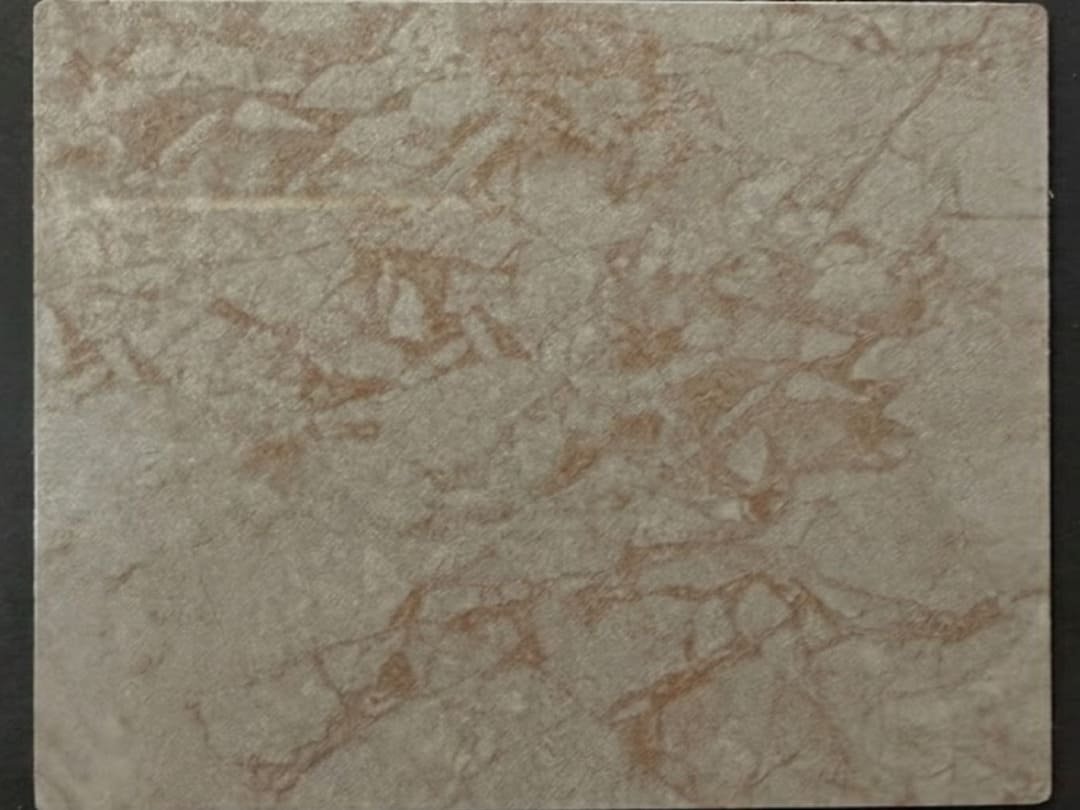
HPL, or High-Pressure Laminate, is a high-performance surface material commonly used in custom cabinetry and commercial woodwork. It is usually made from multiple layers of kraft paper, decorative paper and a wear-resistant surface layer pressed under high temperature and pressure, then bonded onto substrates such as plywood, MDF or particle board. Compared with standard melamine finish, HPL usually offers better wear resistance, scratch resistance, impact resistance, heat resistance and daily cleaning performance. Compared with paint finish or wood veneer finish, it is more suitable for commercial spaces, office spaces, hotel public areas and high-use custom woodwork projects. Its actual performance depends on brand, thickness, surface texture, bonding process, substrate flatness, edge sealing method, adhesive quality and edge finishing. The term “fire-resistant laminate” is an industry name and does not mean the material is completely non-combustible.

View Details →
Leather / Fabric Texture / Special Texture Finish

Leather / Fabric Texture / Special Texture Finish

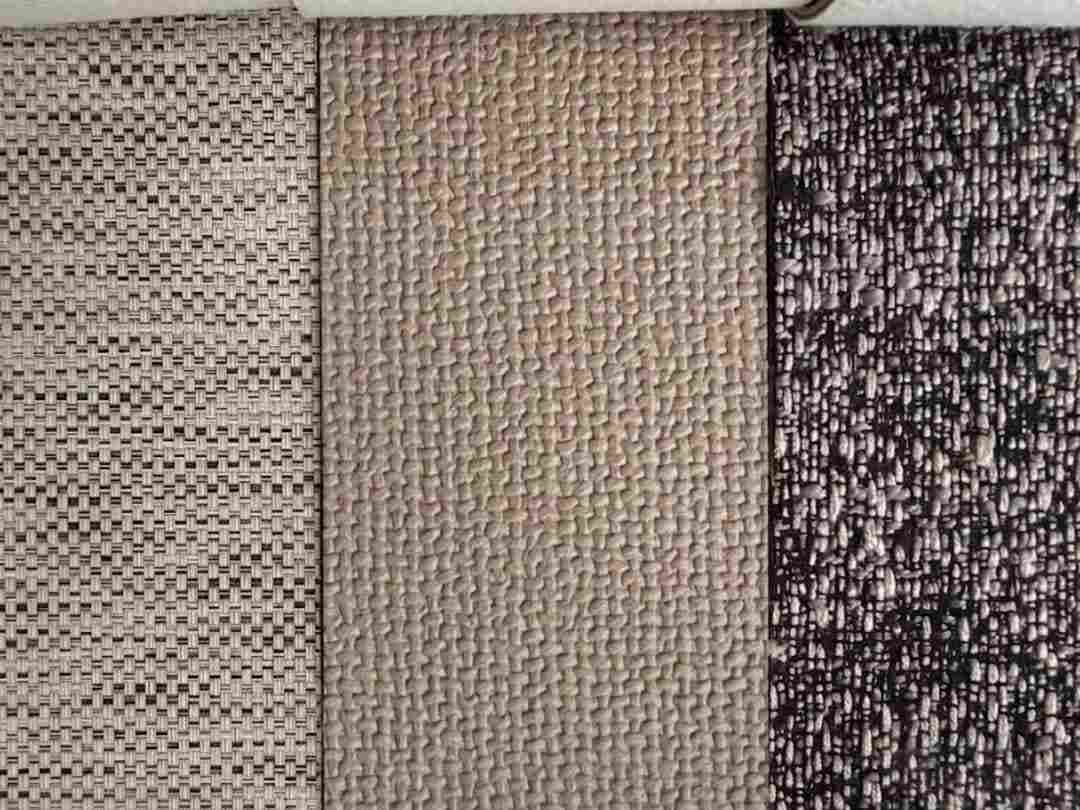
Leather, fabric texture and special texture finishes are decorative surface materials used in custom cabinetry and interior woodwork to enhance surface texture and visual effect. They are usually applied over substrates such as MDF, plywood or particle board using leather, leather-like films, fabric-textured finishes, artistic coatings or special textured materials. Compared with standard finishes such as melamine and PET, these materials offer stronger tactile quality, decorative value and spatial atmosphere. They are suitable for local accents, feature walls, decorative cabinet door surfaces, upholstered or hard panels, display cabinets and high-end interior woodwork details. They are usually better for local applications and are not recommended as a large-area standard finish for all cabinets. Their actual performance depends on material grade, surface texture, substrate flatness, bonding process, edge finishing, wear resistance, cleaning method, fire-retardant rating, mildew resistance, color batch and the final application environment.

View Details →
Special Wood Grain Effect Finish

Special Wood Grain Effect Finish

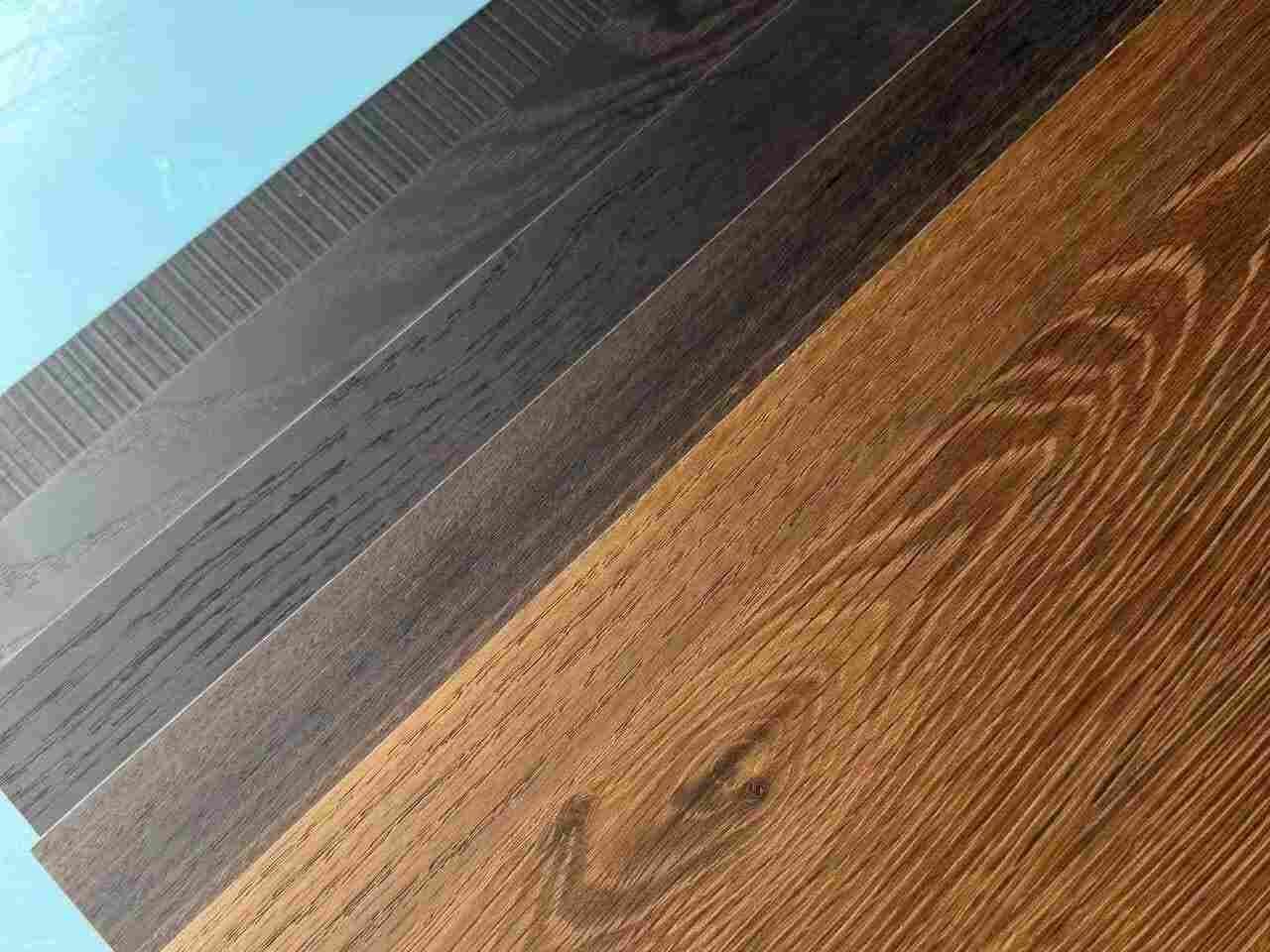
Special wood grain effect finish is a decorative surface solution used in custom cabinetry and interior woodwork to create non-standard wood visual effects. Common methods include stained wood veneer, smoked wood veneer, charred wood effect veneer, distressed wood veneer, weathered wood grain, engineered wood veneer or special wood grain decorative panels. It can create darker, aged, rustic or more layered wood grain effects, making it suitable for custom projects that require a specific spatial style and differentiated visual expression. Compared with standard wood veneer finish, special wood grain effect finish offers stronger color expression, grain depth and style definition. Compared with standard melamine wood grain finish, it usually provides a more natural texture and stronger decorative effect. However, it also requires stricter sample confirmation, batch stability control and large-area effect evaluation. Its actual performance depends on veneer species, treatment process, color batch, substrate flatness, veneer lamination process, finishing process, grain matching method, surface protection, wear resistance and cleaning maintenance method. For batch projects, physical samples, lighting effect, color range and large-area application effect should be confirmed in advance.

View Details →